
10 Tips to Start a Wine Business
A starting framework for researching a wine venture, from defining the concept to understanding practical requirements.
Read guide →Wine tips
Learn how to taste, decant, pair and store wine with straightforward guides that explain both the method and the reason behind it.
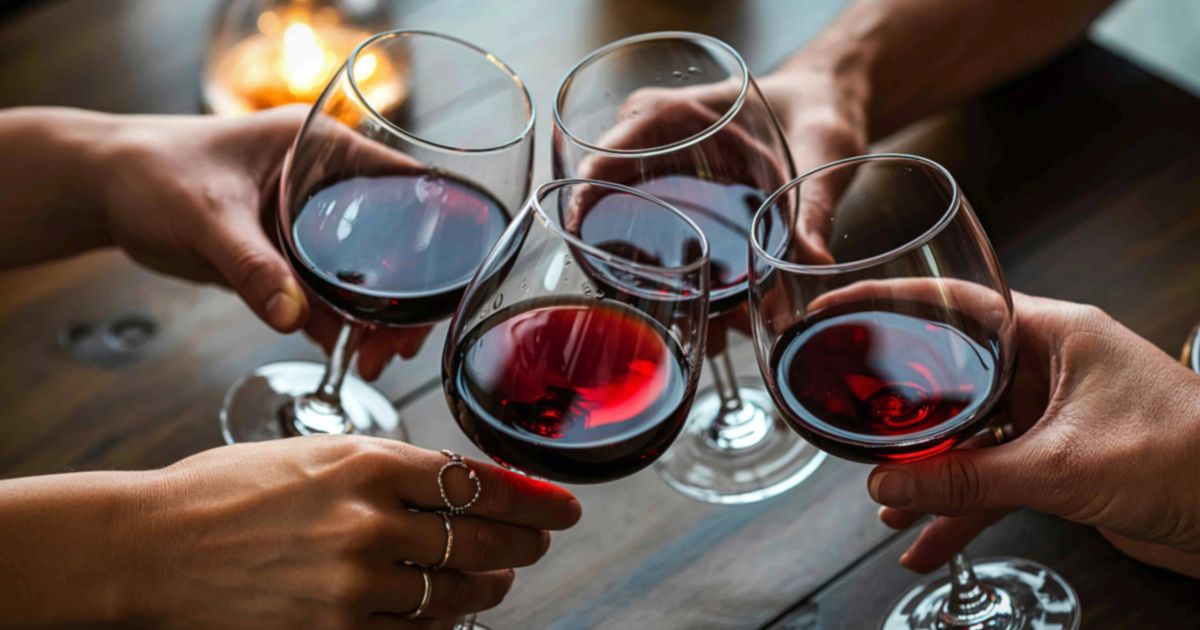
Coastal Vineyard Garden turns common wine questions into approachable instructions. This collection covers serving tools, food pairing, bottle care and the fundamentals of tasting.
Preferences and individual reactions vary. Treat health-related articles as general information rather than medical advice, and seek professional guidance for persistent symptoms.
Start with a question below, then open the full guide for context, steps and practical considerations
A starting framework for researching a wine venture, from defining the concept to understanding practical requirements.
Read guide →Learn a relaxed tasting sequence for looking, smelling and sipping without turning the experience into a ceremony.
Read guide →
Find out how aerators increase contact with air and how their results differ from resting wine in a decanter.
Read guide →
Match acidity, body and tannin to tomato, cheese and meat, with options for several styles of lasagna.
Read guide →
Choose wine according to the sauce, seasoning and cooking method rather than relying on one pairing for every dish.
Read guide →
Review common factors associated with headaches after wine and learn when a symptom calls for medical advice.
Read guide →
Compare opened and unopened bottles, understand signs of decline and learn why style and storage both matter.
Read guide →
Use the sauce as your guide when pairing wine with tomato, cream, seafood, meat or vegetable pasta dishes.
Read guide →
Protect bottles from heat, light and vibration, even if you do not have a purpose-built wine cellar.
Read guide →Good wine advice should help you make a sound choice without pretending there is only one correct answer. Use these steps to put each guide into practice.
Note its style, age and condition before choosing a serving or storage method.
Understand why the technique works and when it may not be necessary.
Change temperature, glassware, air exposure or pairing rather than everything at once.
Observe what changed and let your preference guide the next decision.
No. Some young, structured reds may open with air, while delicate or mature bottles can fade quickly. Consider the wine’s age and taste it first.
Both expose wine to air, but an aerator acts as wine is poured. A decanter also allows time for gradual change and can separate sediment.
Those rules can be a starting point, but sauce, seasoning, acidity, sweetness and cooking method often matter more than the main ingredient.
Reseal it, refrigerate it and limit exposure to air. How long it remains enjoyable depends on the wine style and its condition when opened.
Yes. Choose a consistently cool, dark place away from vibration and heat sources. Stable conditions matter more than an elaborate room.
No. Health-related content is general information. Consult a qualified medical professional about symptoms, reactions or alcohol use.
Search Coastal Vineyard Garden by technique, food or bottle-care topic.